
Repeated peer conflict needs the safeguarding route when any account or record raises a concern about child-on-child abuse, significant harm, exploitation, discriminatory harm or a child who may not be safe. Secure immediate safety, record separate factual accounts and speak to the DSL or deputy without delay. A behaviour review can continue under appropriate oversight, but it must not investigate a disclosure or decide whether a child is telling the truth.
This decision guide applies to schools and colleges in England and reflects guidance in force on 24 September 2026. Follow the school's child protection policy, local safeguarding arrangements and emergency procedures.
Start with safety, not a label
The first question is whether anyone needs protection or urgent support now. Separate pupils where necessary, seek appropriate medical help and use the school's immediate safeguarding route. If a child is in immediate danger, use the relevant emergency route.
Keeping children safe in education 2026 says staff with concerns about child-on-child abuse should speak to the DSL or deputy. It includes bullying, discriminatory behaviour and physical abuse among the forms that child-on-child abuse may take. Staff should not wait for a behaviour category, a complete chronology or agreement between accounts before sharing a concern.
Conflict and abuse are not interchangeable labels. The Department for Education's bullying advice describes repetition and power imbalance as important features to examine. Those features support professional enquiry; they are not a threshold calculator. A single serious incident, a disclosure, prejudice-based harm or evidence of coercion can require an immediate safeguarding response.
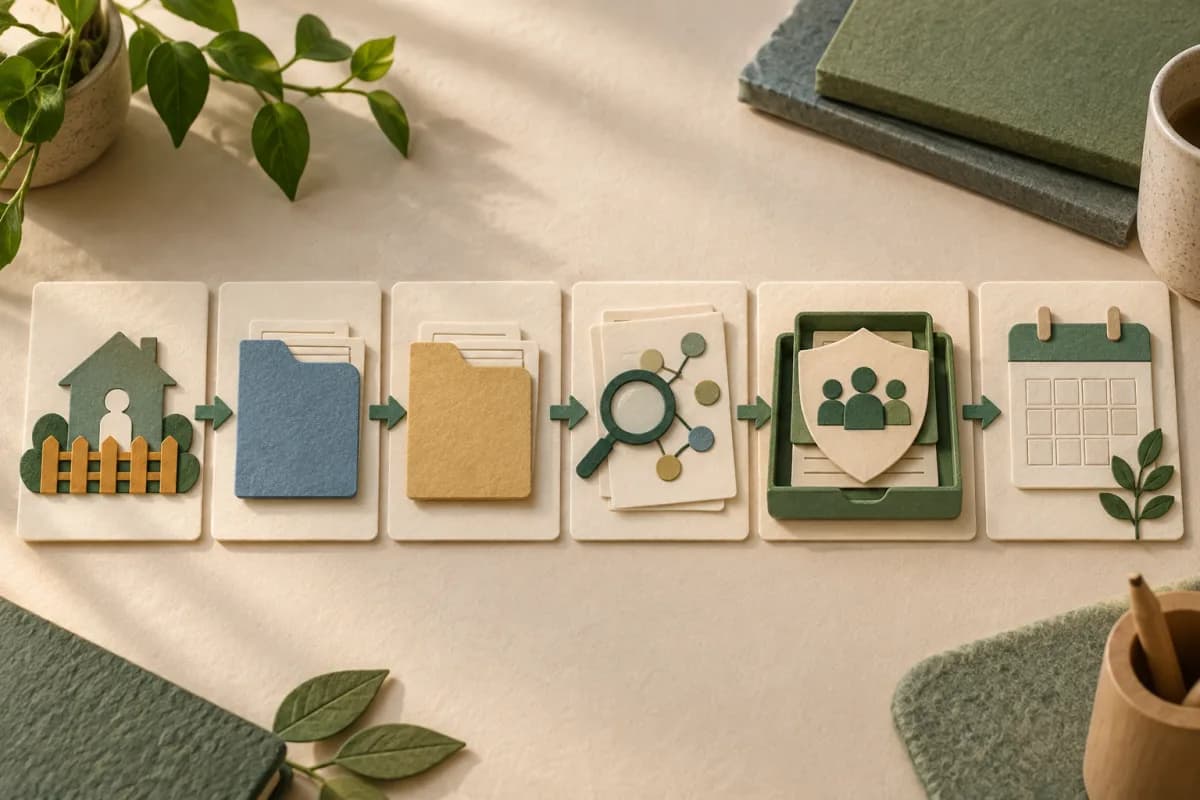
Use a five-part route decision
Keep the record short enough to use and precise enough to challenge. These five parts create a route to a decision without turning pupils into a score.
- Immediate safety: record what was done to protect each child, including separation, first aid, supervision and the time the DSL route was used.
- Separate accounts: preserve each child's words or communication, staff observations and digital or documentary sources separately. Attribute every entry.
- Pattern and power: check repetition, group involvement, social isolation, threats, online continuation, prejudice, age or status differences and whether one child can realistically withdraw or seek help.
- DSL decision: record the safeguarding route, rationale, support and any parallel behaviour response. The DSL applies local procedures and decides whether other agencies or statutory services should be involved.
- Owner and review: assign each action to a person and date. State what will be checked, how each child can report further concerns and what would change the response.
Avoid a joint meeting, restorative conversation or mediation until the DSL has considered safety, power and the needs of every child. A process that assumes equal power can expose a child to further pressure or make silence look like agreement.
Hear each child without conducting an investigation
Give each child a private, accessible route to communicate. Use their established communication method, allow processing time and explain what may need to be shared. Record what the child communicates without interpretation or leading questions. Do not promise confidentiality.
Children may minimise, disagree or not be ready to speak. KCSIE warns that this must not stop professional curiosity or contact with the DSL. Record uncertainty and revisit access to communication support. A child's SEND, disability, health or communication needs may affect how they experience, communicate or respond to events, but they do not prove a cause or excuse harm.
Include parent or carer knowledge where it is relevant and safe. Keep it distinct from the child's account. The DSL decides what can be shared, with whom and when. Use only the information necessary for the safeguarding purpose and keep sensitive detail in the authorised record.
Follow an invented example from signal to route
The details in this example are invented and combined to explain the decision. Three behaviour entries describe arguments involving the same pupils near lunch. The categories are inconsistent, and the entries alone do not show who initiated each event or whether the situations form one pattern.
Separate pupil accounts add different evidence. One child describes being surrounded by a group, excluded from an online chat and warned not to tell. Their attendance record shows two recent missed lunch periods, while a communication profile says they need extra processing time and a familiar adult for difficult conversations. Another child disputes parts of the account. The disagreement is recorded, not resolved by rewriting one account around the other.
The pastoral lead secures immediate supervision and passes the concern to the DSL. The DSL reviews the separate sources, records the safeguarding decision, agrees support for all affected children and sets a next-day check followed by a five-school-day review. Any behaviour response remains separate, proportionate and subject to the school's policy.
The connected view changes the question from “How many incidents were logged?” to “Is there a repeated pattern, power imbalance or safety concern that needs the safeguarding route?” It does not prove bullying, intent, abuse, a diagnosis or the correct statutory outcome.
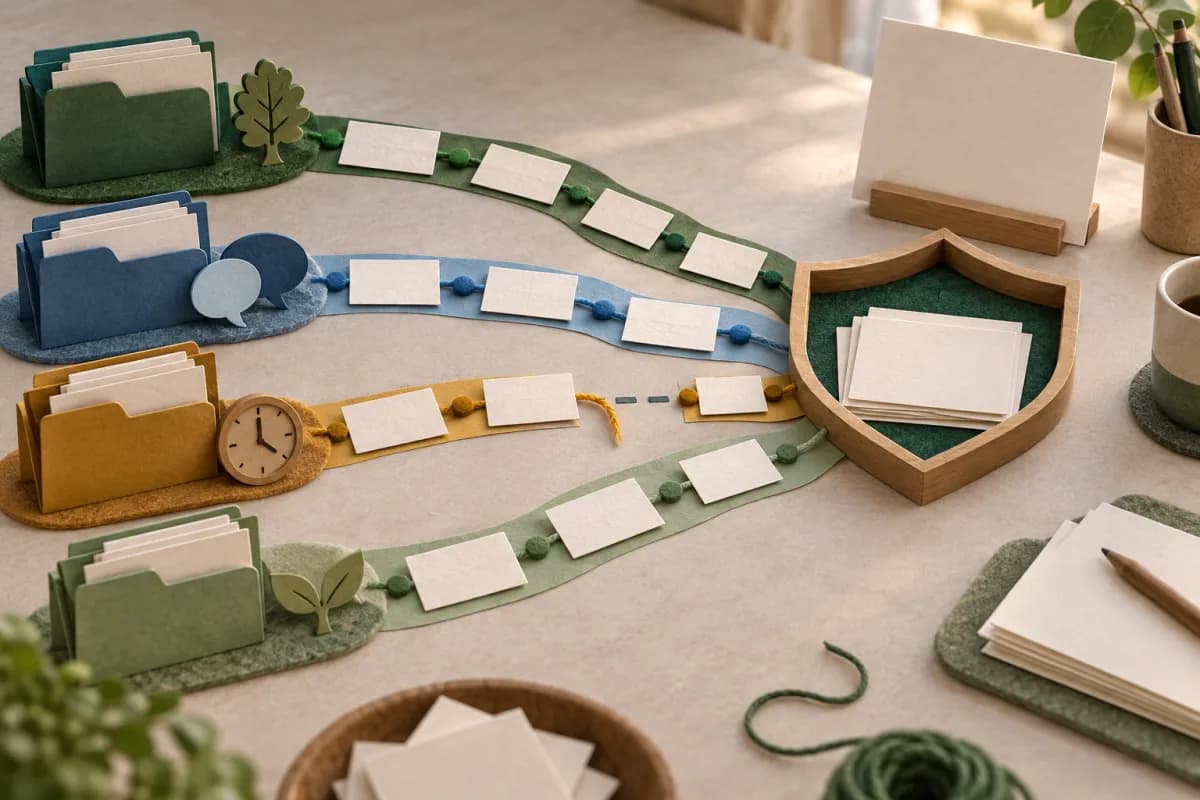
Keep the behaviour and safeguarding routes connected but distinct
Behaviour records can show dates, settings and repetition. Safeguarding records hold the concern, sensitive context, professional decision and protected follow-up. Link the records where policy and access controls permit; do not copy a detailed disclosure into a general incident note.
A safeguarding route does not automatically determine a sanction. The school still considers the behaviour policy, individual circumstances, SEND duties and reasonable adjustments. Suspension and permanent exclusion have a separate statutory process in England and remain decisions for the authorised people under the current guidance.
Likewise, SEND does not remove the need to protect other pupils. The school can hold both duties: respond to harm and examine communication, access, provision, disability and other context before deciding proportionate support and consequences.
Where Student Radar fits
Where enabled, Student Radar Safeguard supports controlled concern recording and DSL-led casework. The DSL Action Board can keep authorised actions, owners and review dates visible, while Chronology retains attributed records and action state.
Behaviour Analytics can help staff inspect recorded patterns, but it cannot decide that bullying or abuse occurred, infer intent, score a child's character, choose a sanction or make a referral. Staff open the underlying evidence and the DSL remains accountable for the safeguarding response.
Review what changed, not whether the case looks quieter
- Can each child still access a safe reporting route?
- Have the immediate safety actions happened as agreed?
- Are separate accounts, uncertainty and missing evidence still visible?
- Has online, off-site, discriminatory or group involvement changed the picture?
- Has relevant SEND provision or a reasonable adjustment been delivered?
- Does the DSL need to change the support, referral or review plan?
Use the safeguarding chronology audit to check factual recording and ownership. The child and family voice guide covers accessible participation in more depth.
Sources and further reading
- Department for Education, Keeping children safe in education 2026, statutory guidance in force from 1 September 2026.
- Department for Education, Preventing and tackling bullying, guidance page updated 9 July 2026.
- Department for Education, Working together to safeguard children 2026, statutory guidance published 18 March 2026.
- Department for Education, Behaviour in schools, advice updated February 2024.
- Department for Education, School suspensions and permanent exclusions, statutory guidance updated 26 July 2026.
- Department for Education and Department of Health and Social Care, SEND code of practice: 0 to 25 years, statutory guidance for England.
Student Radar can help authorised teams keep factual records, owned safeguarding actions and review points connected. Book a demonstration to test that workflow against your policies and access model.